

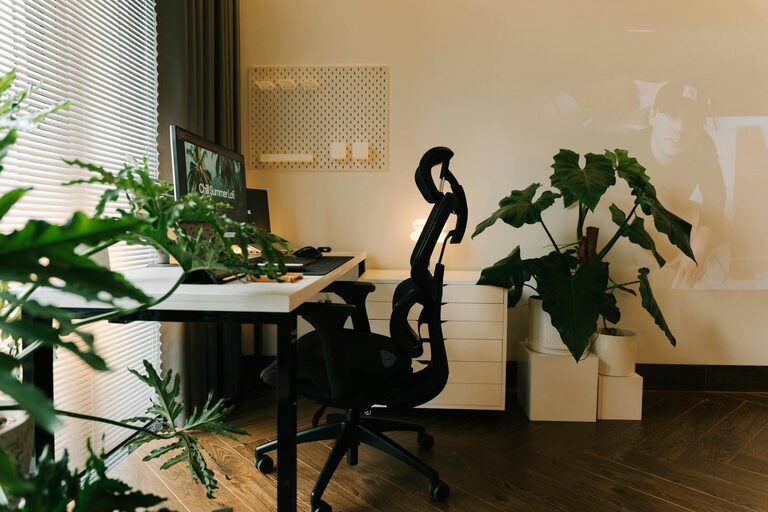
Creating a cozy and inviting home office is essential for anyone who spends significant time working from home. A space that feels comfortable and inspiring can boost your productivity, reduce stress, and even help maintain a better work-life balance. Whether you have a dedicated room or just a small corner, with the right approach, you can design an office that works for you.
Why a Cozy Home Office Matters
Your home office should be more than just a functional space. When your workspace feels inviting, it encourages you to settle in and focus. Comfort and aesthetics contribute to a positive mindset, which is vital when working independently or tackling challenging tasks.
1. Choose the Right Location
Finding the ideal spot for your home office is the first step. Consider:
– Natural light: A spot near a window offers daylight, which has been shown to improve mood and alertness.
– Quiet area: Choose a place away from household distractions for better focus.
– Space: Ensure there’s enough room for your desk, chair, and storage without feeling cramped.
2. Invest in Comfortable Furniture
Comfort is key. Here’s what to consider:
– Ergonomic chair: A supportive, adjustable chair helps prevent back pain.
– Desk size: Pick a desk that fits your equipment but leaves enough workspace.
– Flexible options: Standing desks or adjustable desks allow you to change positions during the day.
3. Personalize Your Space
Adding personal touches can make your home office feel welcoming:
– Colors: Use calming or inspiring colors that suit your taste—soft blues and greens promote relaxation, while brighter colors can boost energy.
– Art and photos: Hang pictures or artwork that motivates or relaxes you.
– Plants: Indoor plants improve air quality and add a fresh, natural vibe.
4. Organize Efficiently
A neat space enhances your ability to work efficiently:
– Storage solutions: Use shelves, drawers, or containers to keep supplies tidy and accessible.
– Cable management: Keep cords organized and out of the way to avoid clutter.
– Daily tidy-up: Spend a few minutes each day to keep your desk clean and ready for work.
5. Optimize Lighting
Proper lighting reduces eye strain and creates a pleasant atmosphere:
– Task lighting: A good desk lamp provides focused light where you need it.
– Ambient lighting: Soft overhead lights or floor lamps contribute to a cozy feel.
– Avoid glare: Position screens and lights to reduce reflections and eye discomfort.
6. Control Noise Levels
Minimizing distractions is easier when sound is managed:
– Noise-canceling headphones: Useful if you can’t avoid some background noise.
– Soft textiles: Rugs, curtains, and cushions help absorb sound.
– White noise machines or apps: These can create a consistent background sound to mask distractions.
7. Keep Technology Updated and Functional
Efficient technology makes work smoother:
– Reliable internet: Ensure your connection is strong and steady.
– Essential devices: Laptop, printer, or other tools should be in good condition and within easy reach.
– Cable organization: Prevent your workspace from looking messy by using cable clips or boxes.
8. Incorporate Relaxation Elements
Including small relaxation details can help you take quick breaks:
– Comfort items: A soft blanket or cushion can make breaks more restorative.
– Aromatherapy: A gentle scent from a diffuser can create a calming environment.
– Break area: If space allows, a separate chair or small couch for relaxing for a few minutes can recharge your energy.
Conclusion
Designing a cozy and inviting home office requires a balance between functionality and comfort. By choosing the right location, investing in supportive furniture, adding personal touches, and maintaining organization, you can create a space that feels welcoming and helps you stay productive throughout your workday. Small adjustments to lighting, noise control, and relaxation options also make a big difference. With these tips, your home office can become a favorite place to work and thrive.